Digital Detox: Managing Screen Time for Better Sleep
Cut through digital overload and build habits that help your mind slow down and sleep better.
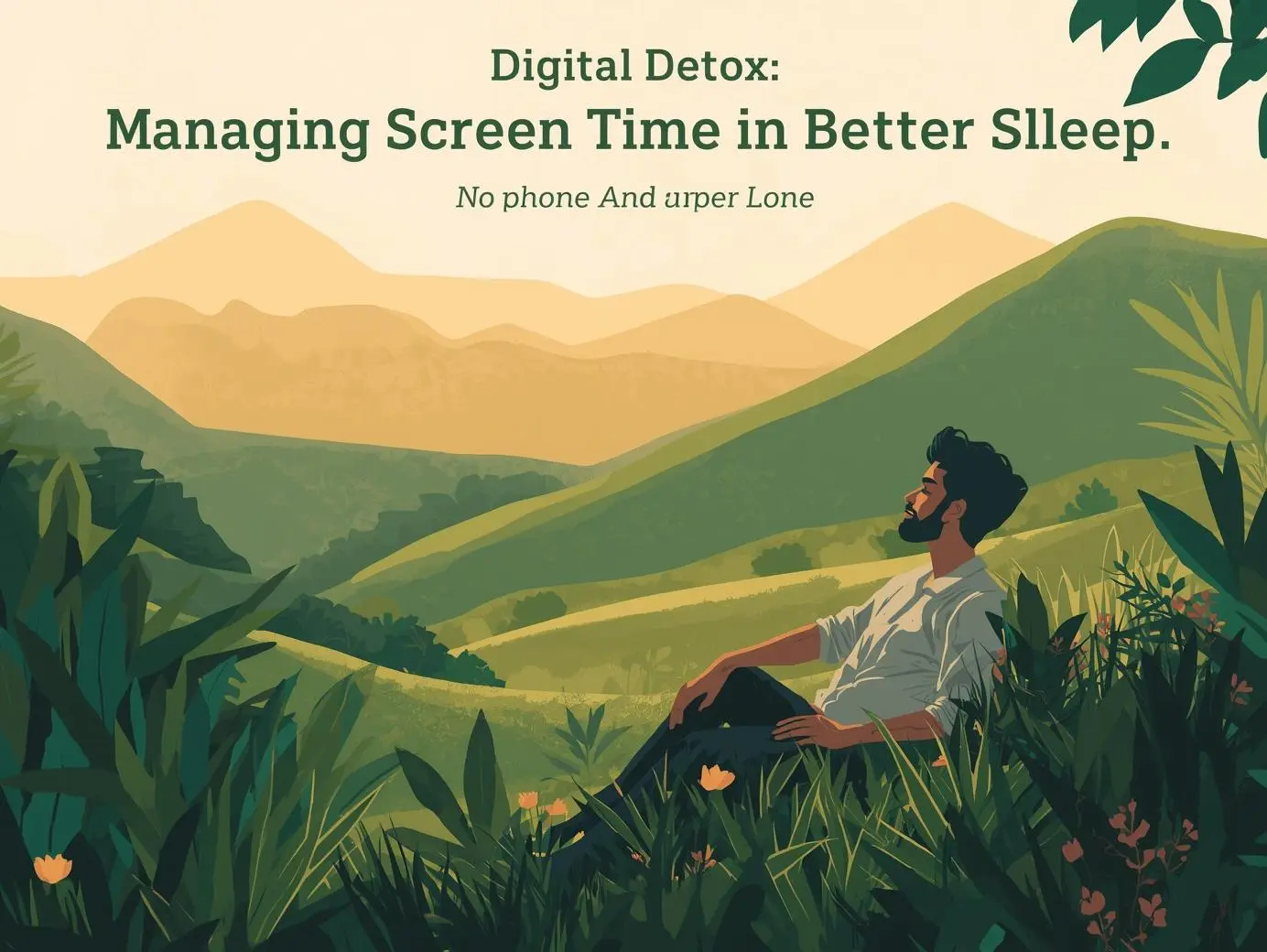
Your biggest sleep disruptor isn’t always stress or caffeine—it’s your screen.
Phones, laptops, and endless scrolling keep your brain active long after your body is tired. The result is simple: you feel exhausted, but your mind refuses to switch off.
A digital detox isn’t about quitting technology. It’s about controlling when and how you use it—especially at night.
At RestByRoutine, the focus is building boundaries that protect your sleep without complicating your life.
1. Understand the Real Problem
Screens don’t just “waste time”—they keep your brain stimulated.
Every scroll, video, or notification adds new input. Your mind stays engaged, alert, and reactive, making it harder to transition into sleep.
The issue isn’t just blue light. It’s mental overload. Even if you feel relaxed, your brain is still processing information.
---
2. Set a Clear Cut-Off Time
Without a boundary, screen time expands endlessly.
Set a fixed time—ideally 30 to 60 minutes before bed—where you stop using all non-essential devices. This creates a clear break between stimulation and rest.
At first, this will feel uncomfortable. That’s normal. It means your brain is used to constant input.
---
3. Replace, Don’t Remove
If you only remove screens, you’ll default back to them.
Instead, replace that time with low-stimulation activities like reading, light stretching, or simply sitting quietly. The goal is to reduce input, not create boredom.
Your brain needs something to transition into—not just something taken away.
---
4. Reduce Nighttime Notifications
Even if you’re not actively using your phone, notifications pull your attention back in.
Each vibration or alert resets your focus and keeps your brain alert. This delays your ability to fully unwind.
Silencing non-essential notifications at night creates a calmer mental environment without requiring full disconnection.
---
5. Change Your Screen Environment
If you must use devices, reduce their impact.
Lower brightness, switch to night mode, and avoid fast-paced or emotionally engaging content. What you consume matters as much as the screen itself.
Passive, low-intensity use is far less disruptive than constant scrolling or short-form content.
---
6. Avoid “Just One More Scroll”
This is where most people lose control.
Digital platforms are designed to keep you engaged. There’s always one more video, one more post, one more notification.
Recognize this pattern early. Sleep doesn’t get delayed by hours—it gets delayed in small decisions repeated over time.
---
7. Keep Devices Away from Your Bed
Your environment shapes your behavior.
If your phone is within reach, you’ll use it. Moving it away—even slightly—reduces the urge to check it constantly.
Your bed should be associated with rest, not stimulation. Distance creates discipline without relying on willpower.
---
8. Use Mornings to Reset Your Brain
Your morning habits affect your night more than you think.
Starting your day with immediate screen exposure puts your brain into a reactive state from the beginning. This often carries into the night.
Instead, give yourself a few minutes of screen-free time in the morning. It helps regulate your focus and reduces dependency on constant input.
---
9. Accept Initial Discomfort
A digital detox feels difficult at first because your brain is used to stimulation.
Boredom, restlessness, and the urge to check your phone are normal reactions. They fade with consistency.
What feels uncomfortable now is often what your mind actually needs.
---
10. Build Boundaries, Not Restrictions
Strict rules often fail because they’re hard to maintain.
Instead of forcing a complete detox, create simple boundaries: no screens after a certain time, no phone in bed, limited notifications.
These small rules are easier to follow and more effective long-term.
---
Final Thoughts
Better sleep doesn’t require eliminating technology—it requires controlling it.
Your mind needs space to slow down. Without that space, sleep becomes a struggle, no matter how tired you feel.
At RestByRoutine, the goal is to help you build habits that protect your mental state before bed.
Start small. Set one boundary. Stay consistent.
Because when your mind is less stimulated, your sleep becomes effortless.