How Blue Light Affects Your Circadian Rhythm (And What to Do to Calm It)
Understanding the science behind screen-induced sleep disruption and practical solutions.
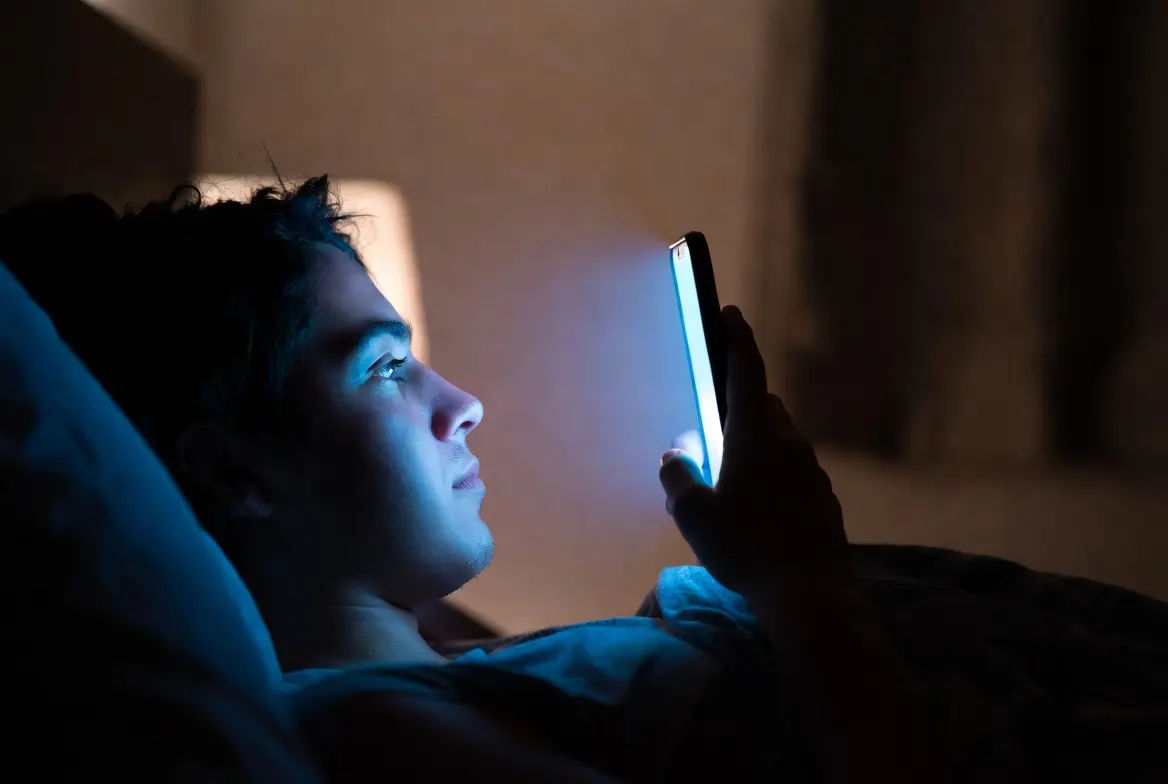
In today's digital world, we're constantly exposed to blue light from phones, tablets, computers, and LED lights. While blue light is beneficial during the day—helping us stay alert and focused—excessive evening exposure can disrupt our circadian rhythm, making it harder to fall asleep and wake up feeling refreshed. Here's a deep dive into the science and practical strategies to protect your sleep.
What Is Blue Light?
Blue light is a high-energy wavelength of visible light. It's naturally present in sunlight and plays a crucial role in regulating our sleep-wake cycle, also called the circadian rhythm. During daylight hours, blue light signals to your brain that it's time to be awake and alert.
How Blue Light Impacts Sleep
Evening exposure to artificial blue light can trick your brain into thinking it's still daytime. This suppresses melatonin production, the hormone responsible for signaling sleep. The result?
- Delayed sleep onset – You may lie in bed wide awake.
- Reduced deep sleep – Less restorative sleep cycles.
- Daytime fatigue – Lower alertness and cognitive function the next day.
- Mood effects – Chronic disruption can contribute to irritability or stress.
Sources of Blue Light
- Smartphones, tablets, and computers
- LED and fluorescent lighting
- TVs and other digital screens
- Some smart home devices
Even a short scroll before bedtime can impact your sleep quality, especially if done in a dimly lit room.
Practical Ways to Reduce Blue Light Disruption
1. Limit Evening Screen Time
Aim to disconnect from digital devices at least 60–90 minutes before bed. Use this time for relaxing, non-screen activities like reading, journaling, or light stretching.
2. Use Blue Light Filters or Night Mode
Most smartphones and computers have night mode or blue light filter settings, which reduce exposure to sleep-disrupting wavelengths in the evening.
3. Adjust Lighting at Home
Dim lights in the evening and opt for warm, amber tones instead of bright white or blue-rich LEDs. Table lamps or smart bulbs with adjustable color temperature work well.
4. Wear Blue Light-Blocking Glasses
Special lenses can block blue light when using screens in the evening, especially if work or entertainment requires it.
5. Prioritize Morning Sunlight
Exposure to natural light in the morning helps reset your circadian rhythm, making you more alert during the day and naturally sleepy at night.
Final Thoughts
Blue light isn't inherently bad—it's a natural part of life—but timing matters. Evening exposure can significantly affect your sleep quality by delaying melatonin release and altering your circadian rhythm. By combining smart device habits, proper lighting, and mindful routines, you can protect your sleep and wake up feeling truly refreshed.
Your nightly routine doesn't need to eliminate screens entirely—it just needs a little strategy to let your body know when it's time to rest.