Genetics of Sleep: Are You a Night Owl?
Explore how genetics influence your chronotype, why night owls exist, and how to work with your biological sleep tendencies for better rest.
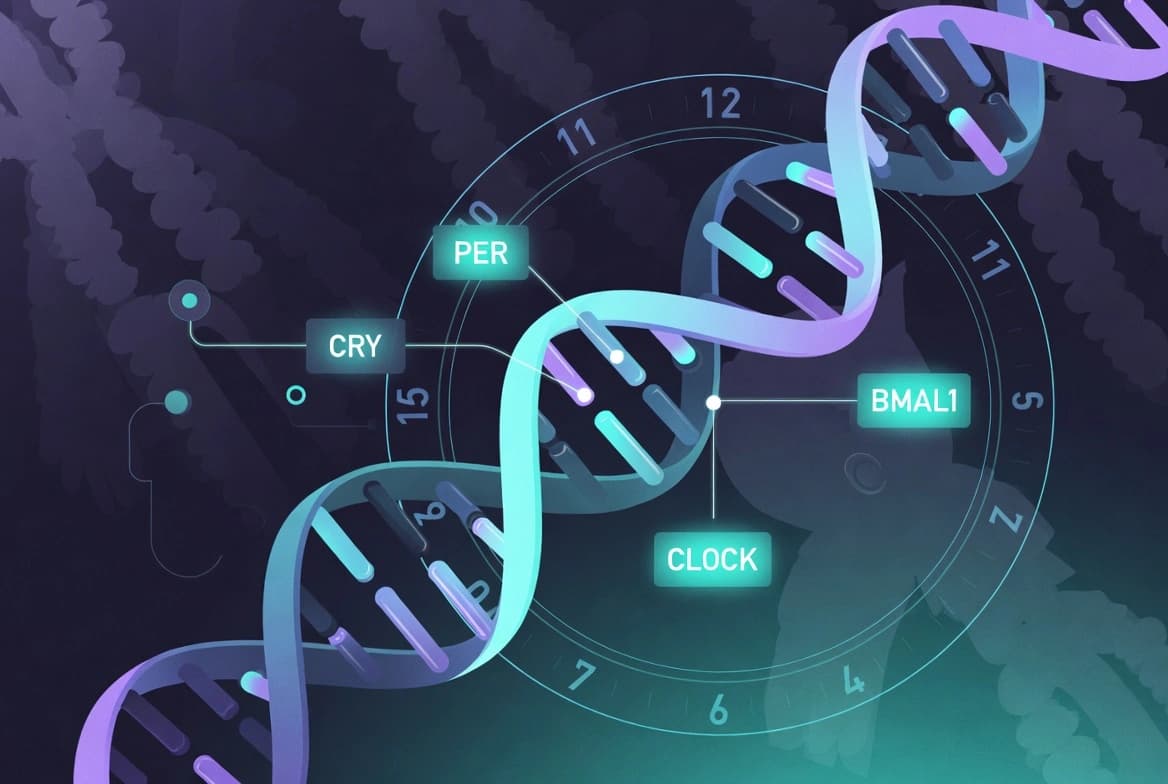
Some people naturally wake early.
Others naturally stay awake late.
This difference is influenced partly by genetics.
Your chronotype is biologically influenced—not purely behavioral.
What Is Chronotype?
Chronotype refers to your natural sleep timing preference.
Common types:
- Morning type
- Intermediate type
- Evening type
These patterns are influenced by genetic clock genes.
Why Night Owls Exist
Certain genetic variations delay melatonin release.
This shifts sleep timing later.
Night owls do not simply choose late sleep.
Their biology favors it.
Conflict With Modern Schedules
Most work schedules favor early chronotypes.
Night owls often experience chronic sleep restriction.
This leads to fatigue and reduced performance.
Can Chronotype Change?
It can shift slightly with consistent routines and light exposure.
But genetic tendencies remain.
Working with your biology improves sleep quality.