Glymphatic System: How Sleep Cleans Your Brain
Learn how the glymphatic system removes brain waste during deep sleep, why this matters for cognitive health, and how to support this vital neurological cleaning process.
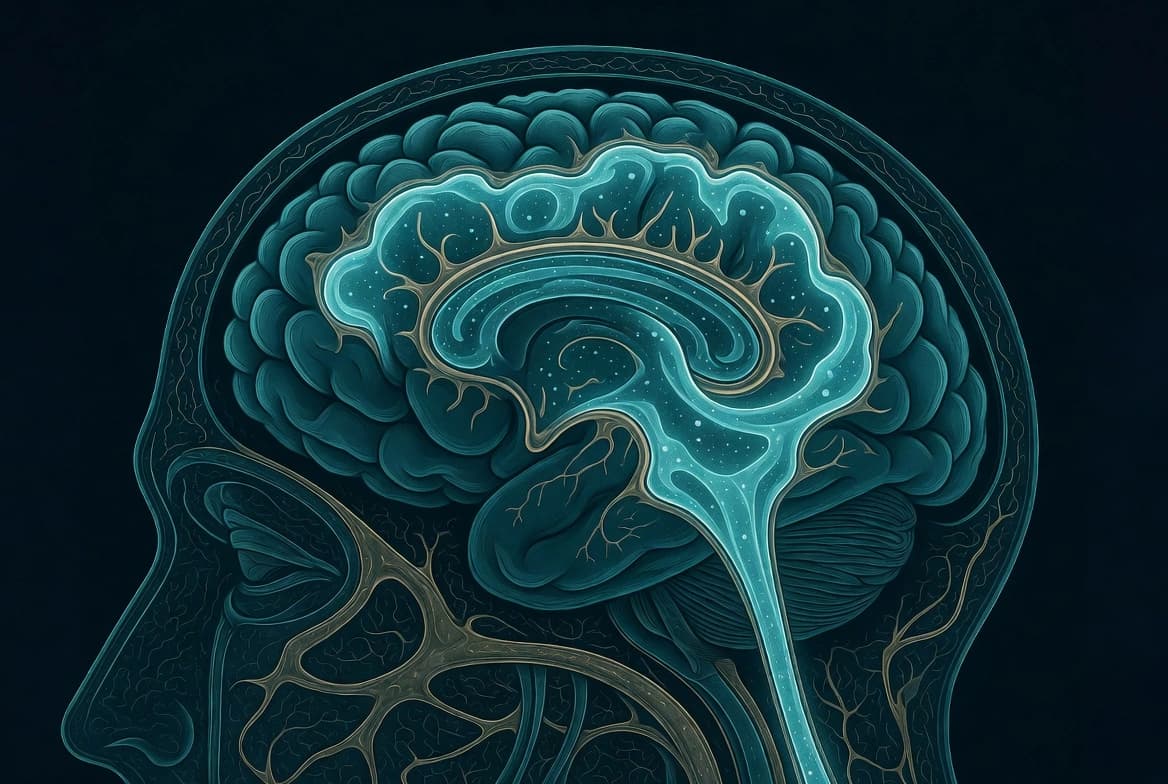
Your brain produces waste constantly.
Unlike other organs, it cannot rely on traditional lymphatic drainage.
Instead, it uses a specialized cleaning system called the glymphatic system.
This system works primarily during deep sleep.
Without sufficient sleep, waste accumulates.
Why Brain Waste Removal Matters
Neurons produce toxic byproducts during normal activity.
These include proteins associated with neurological decline.
If not cleared efficiently, they accumulate.
Sleep activates the cleaning process.
How the Glymphatic System Works
During deep sleep:
Brain cells shrink slightly.
This creates space for fluid to flow.
Cerebrospinal fluid moves through brain tissue, flushing waste.
This process is far more active during sleep than wakefulness.
Why Deep Sleep Is Essential
Glymphatic activity increases dramatically during slow-wave sleep.
Insufficient deep sleep reduces waste clearance efficiency.
This contributes to:
- brain fog
- cognitive fatigue
- reduced mental clarity
Sleep restores neurological cleanliness.
Modern Lifestyle and Reduced Deep Sleep
Stress, screens, and irregular schedules reduce deep sleep duration.
This limits the brain's ability to clean itself.
Sleep becomes less restorative.
Supporting Brain Cleaning Through Sleep
Maintain regular sleep schedules
Avoid late-night stimulation
Sleep long enough to reach deep sleep stages
Sleep is neurological maintenance.
Without it, brain efficiency declines.