The Science of Sleep
Peer-reviewed research and neuroscience explaining how sleep works. Understand circadian biology, sleep stages, and evidence-based optimization.
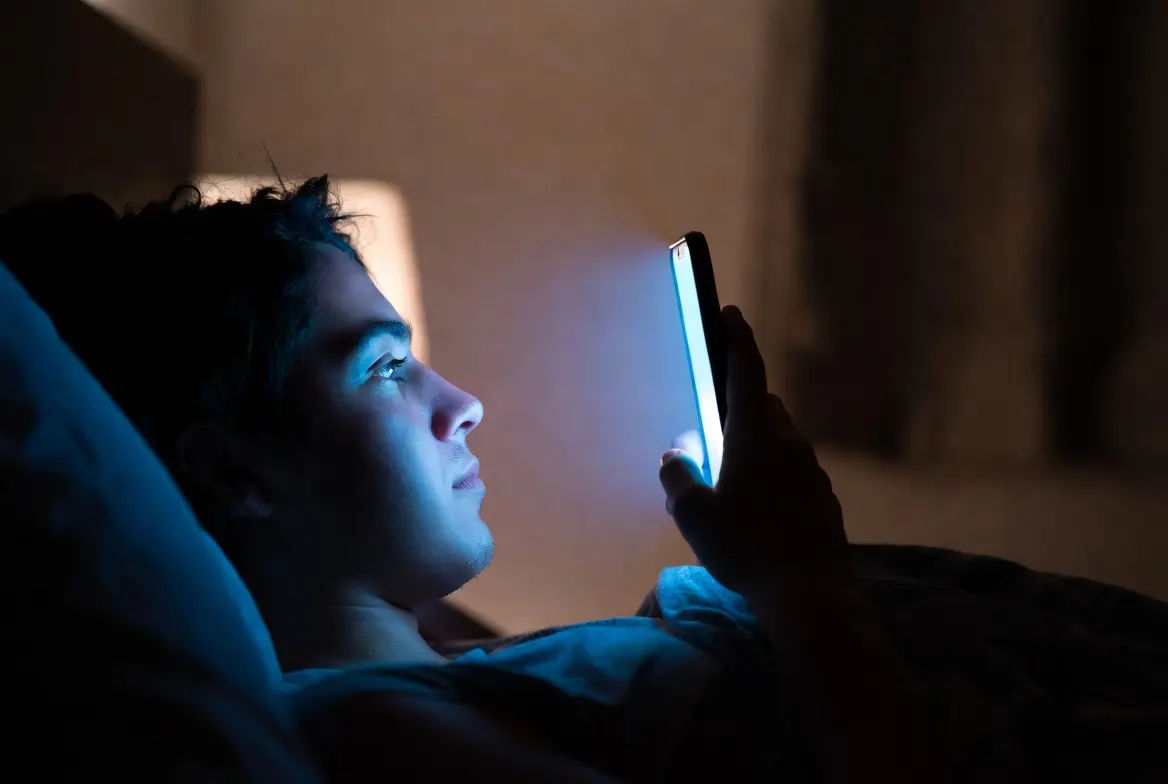
How Blue Light Affects Your Circadian Rhythm (And What to Do About It)
Melanopsin-containing intrinsically photosensitive retinal ganglion cells (ipRGCs) detect short-wavelength light and directly suppress pineal melatonin secretion. This molecular mechanism explains why your devices keep you awake.
Melanopsin
Photopigment in retinal cells detecting blue light
Suprachiasmatic Nucleus
Master clock receiving light signals
Research Highlights
Sleep Research Library
Peer-reviewed studies made accessible
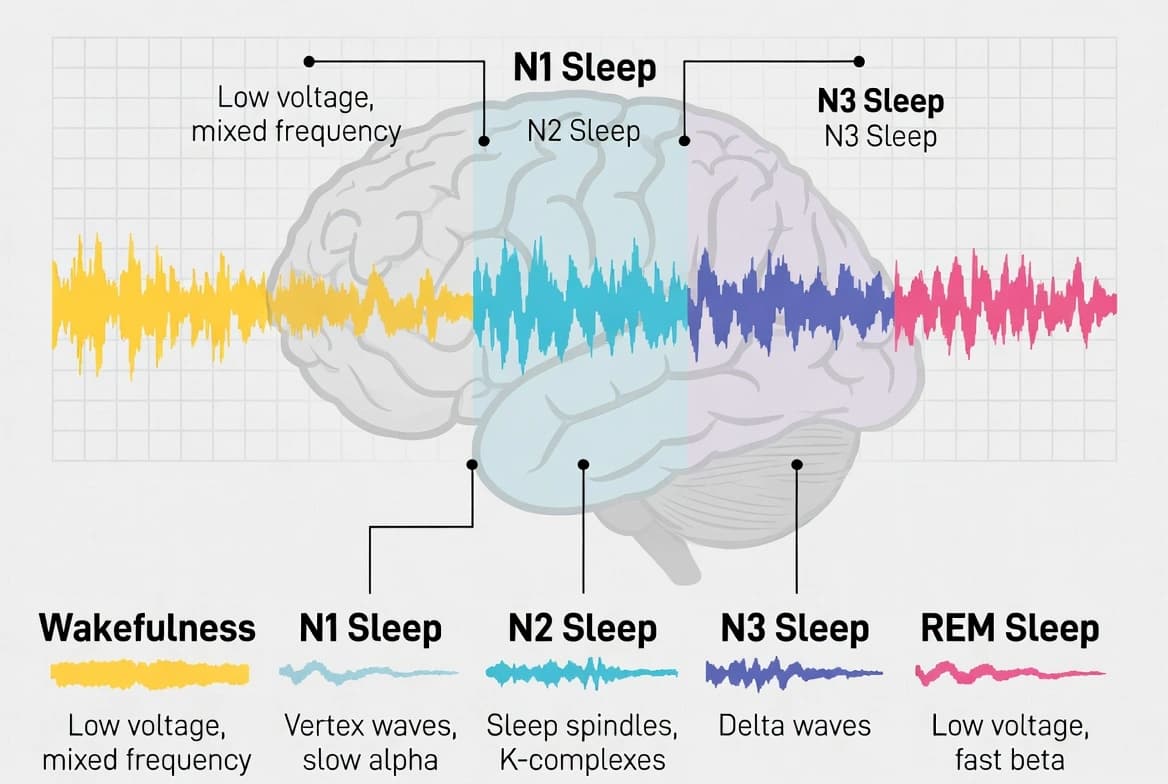
The Neuroscience of Sleep Stages: NREM vs REM
What happens in your brain during deep sleep and dreaming.
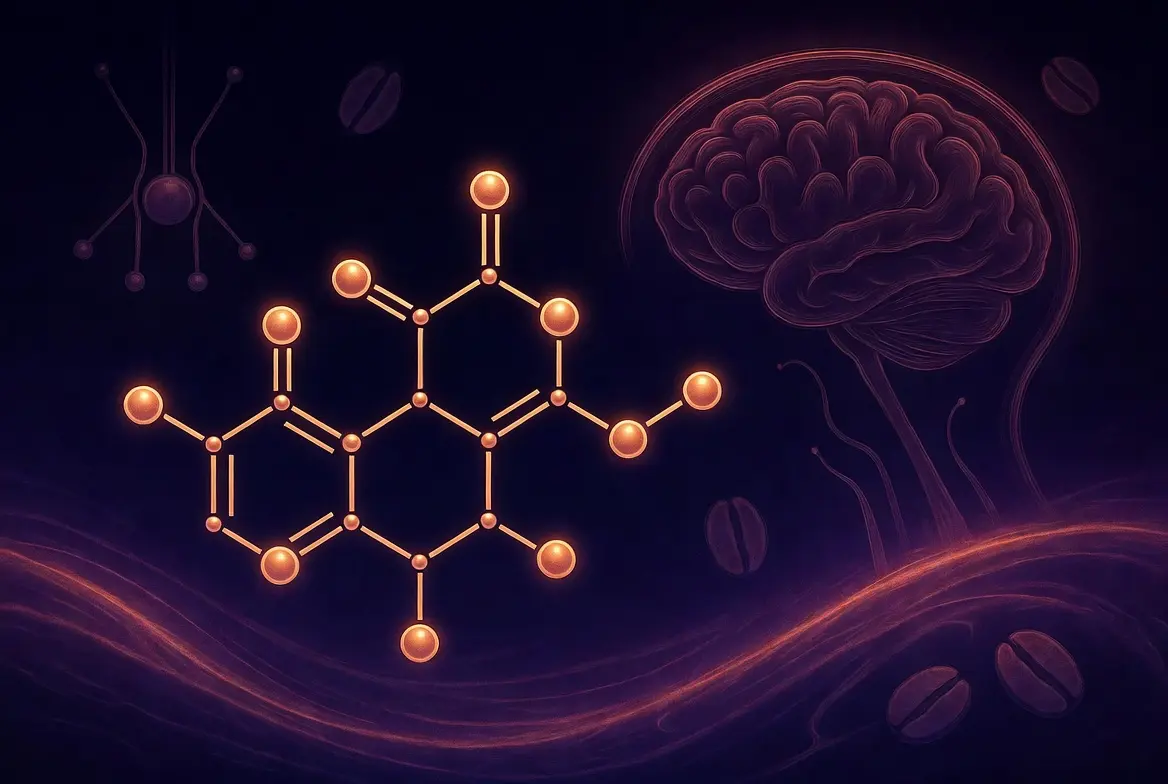
Adenosine & Sleep Pressure: The Chemistry of Tiredness
How caffeine blocks adenosine receptors to keep you awake.
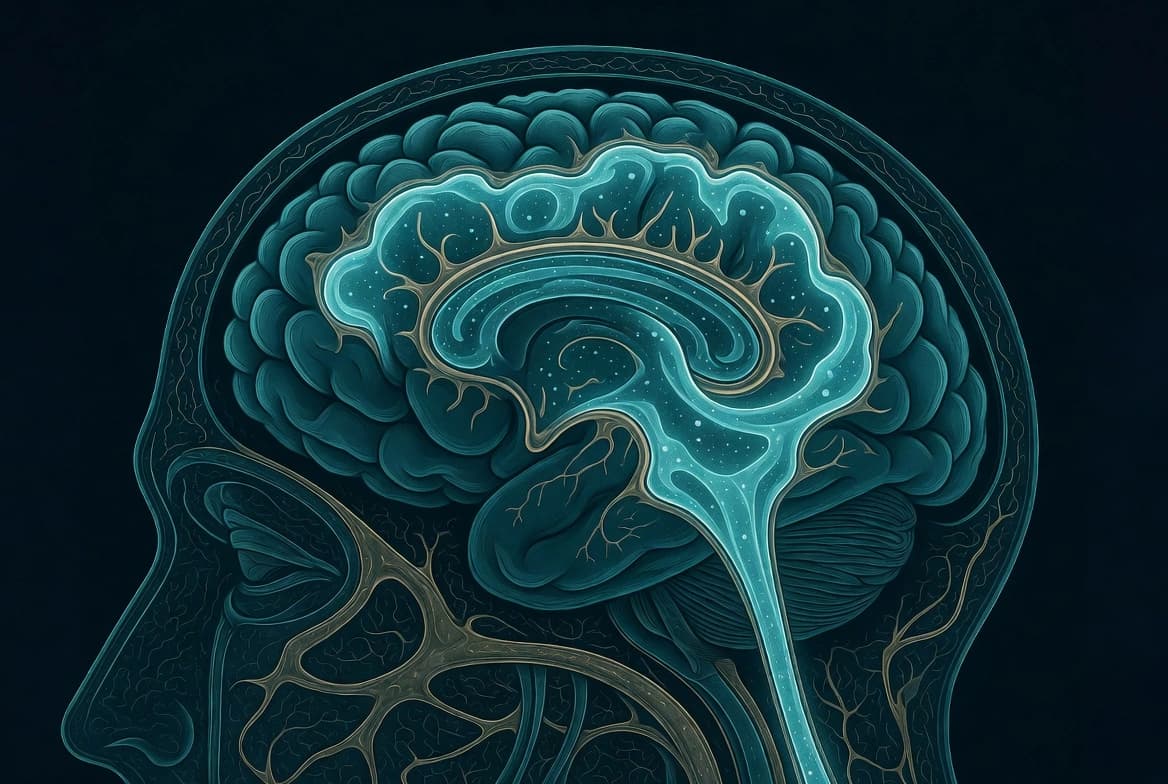
Glymphatic System: How Sleep Cleans Your Brain
The newly discovered waste clearance system active during rest.
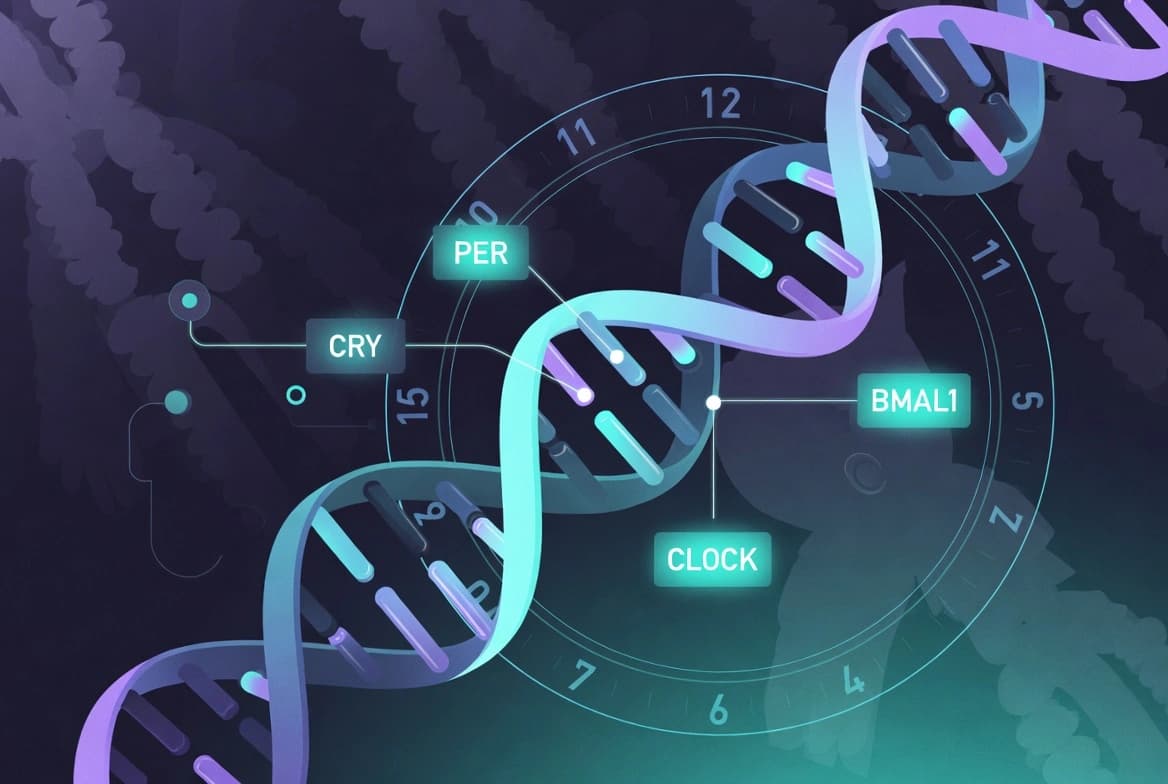
Genetics of Sleep: Are You a Night Owl?
PER3, CLOCK genes, and chronotype determination.
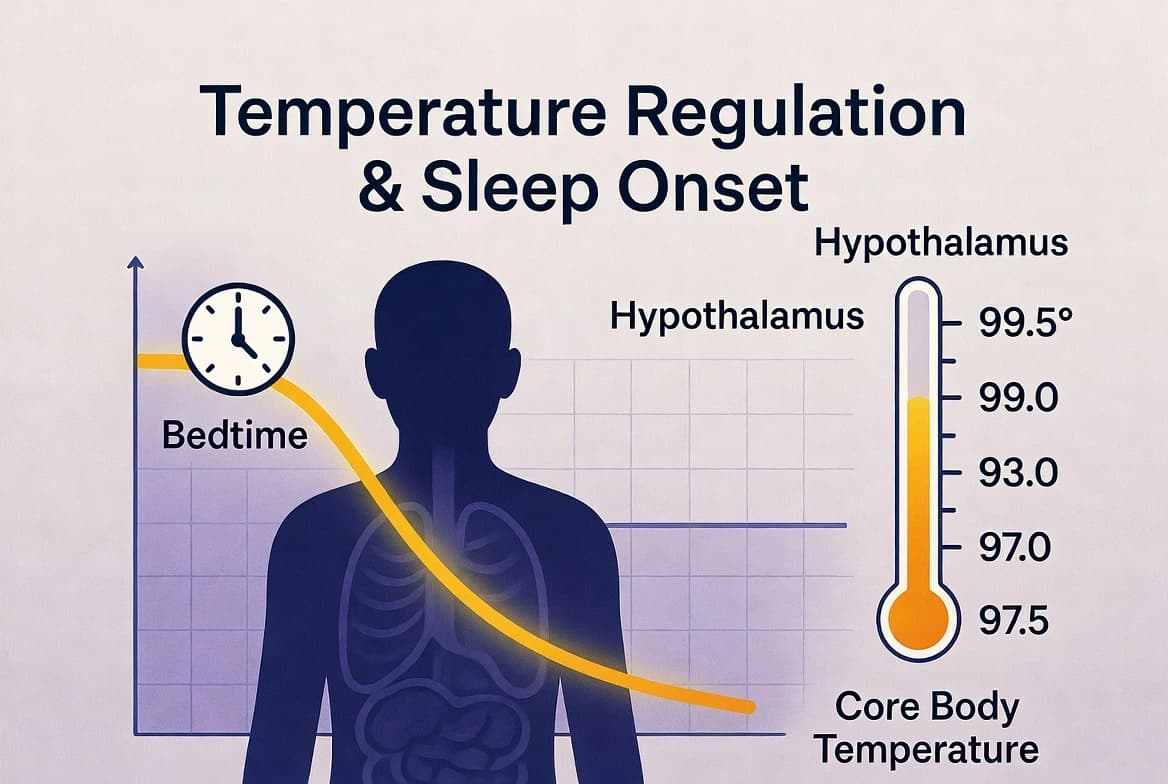
Temperature Regulation & Sleep Onset
Why your body needs to drop 2-3°F to fall asleep.
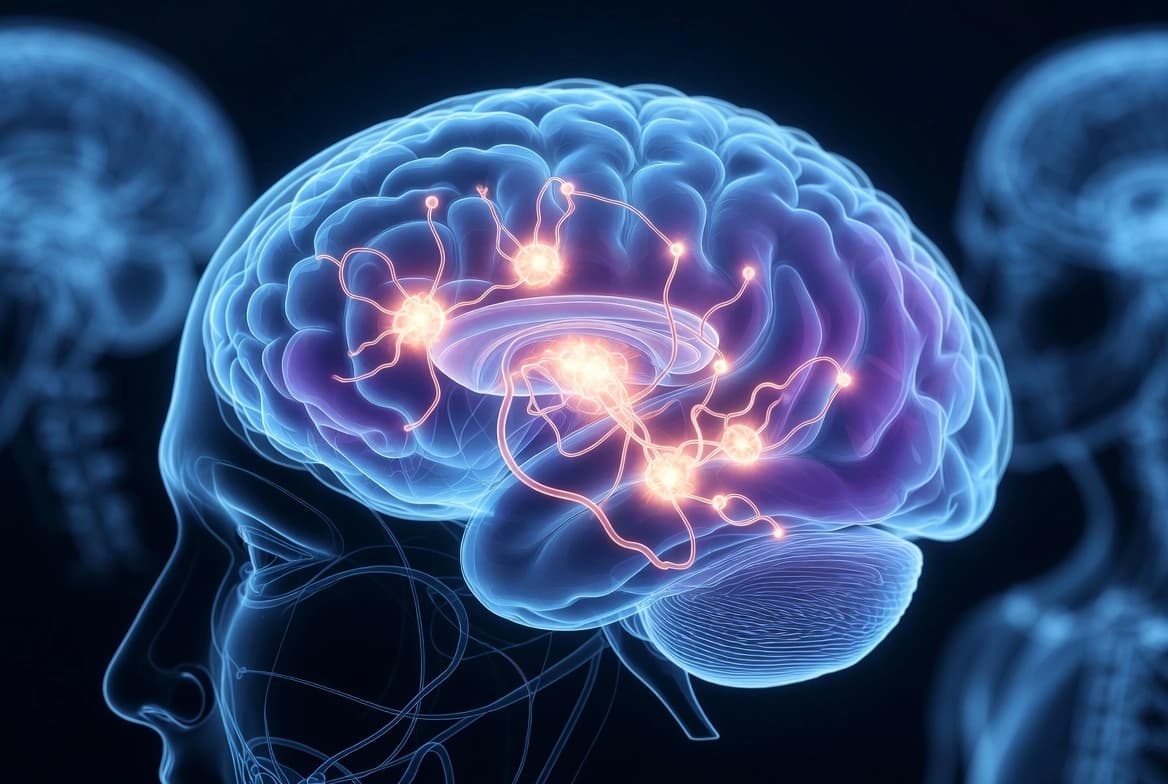
Memory Consolidation During Sleep
How REM sleep transforms short-term to long-term memory.
The Architecture of Sleep
Understanding your nightly sleep cycles and why each stage matters
A typical 90-minute cycle repeats 4-6 times per night, with REM periods lengthening toward morning.
Download Sleep Cycle Chart (PDF)Join usTo Optimize Your Sleep
No spam, ever. Unsubscribe anytime.